
Stablecoin Settlement Is Quietly Rewiring B2B Payments
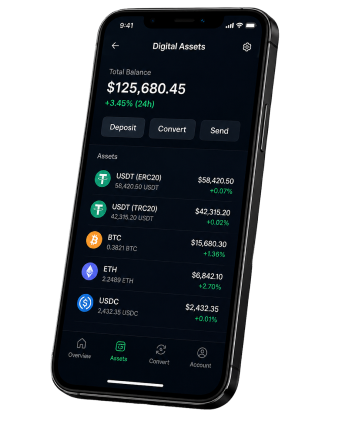
While retail speculation dominates the headlines, the fastest-growing use of stablecoins is unglamorous: businesses settling invoices across corridors where correspondent banking is slow, expensive or simply unavailable.
The corridor problem
For many emerging-market corridors, a wire can take three to five days and lose several percent to intermediary fees. USDT and USDC transfers on ERC20 and TRC20 networks settle in minutes at predictable cost — which is why import/export businesses adopted them long before their banks did.
Compliance is the real product
Moving value on-chain is trivial; doing it inside a regulated perimeter is not. Travel-rule compliance, sanctions screening of wallet addresses, segregated custody and clean fiat on/off-ramps are what turn a crypto transfer into a legitimate settlement instrument that auditors and regulators accept.
Where this goes next
Expect stablecoin settlement to disappear into the background: businesses will price and account in fiat while platforms route value over whichever rail — SWIFT, local RTP or stablecoin — clears fastest and cheapest for that corridor at that moment.
- Minutes-not-days settlement in hard corridors
- Screening and custody separate legitimate rails from risk
- On/off-ramp quality determines real-world usability
- Routing across fiat and stablecoin rails is the endgame