
How Connected Financial Infrastructure Is Reshaping Digital Businesses
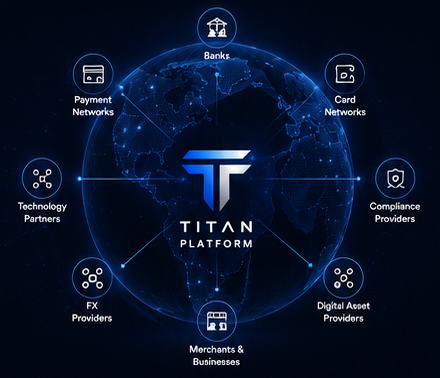
Digital businesses no longer think of payments, accounts and cards as separate products. They expect a single connected layer of financial infrastructure that moves money, data and identity together — in real time, across borders.
From products to platforms
A decade ago, adding a payment method meant a one-off integration with a single processor. Today, businesses assemble their financial stack from modular building blocks: multi-currency accounts, card issuing, FX, payouts and compliance tooling, all consumed through APIs. The winners are the platforms that make these blocks feel like one product rather than five vendors.
Why connectivity compounds
When accounts, cards and payments share a single ledger and a single customer identity, every new capability strengthens the others. Balances update instantly when a card is authorised. Payouts reconcile automatically against incoming settlements. Compliance checks run once and cover every rail. This is the compounding effect of connected infrastructure — and it is why fragmented stacks quietly lose margin every month.
What it means for digital businesses
For marketplaces, fintechs and global merchants, connected infrastructure translates into faster market entry, fewer operational surprises and a customer experience that feels native everywhere. The strategic question is no longer “which provider processes my payments?” but “which platform can carry my entire financial operating model as I scale?”
- Single ledger across accounts, cards and payments
- Real-time settlement visibility across 50+ corridors
- One compliance perimeter instead of five
- APIs designed for product teams, not just banks